



Smart Coatings & Thermal Sprays: Next-Level Protection for Harsh Conditions
Posted Nov 24, 2025 by Dave Scaturro
Some coatings keep your surfaces looking good. Others keep them standing strong. And then there’s the new wave—smart coatings and thermal spray systems—designed to actively fight back against the harshest environments New Jersey facilities can throw at them.
If you’re running a plant, warehouse, or industrial site that deals with salt, chemicals, heat, or constant abrasion, this technology isn’t just a nice-to-have—it’s a serious line of defense.
What Are Smart Coatings?
Smart coatings aren’t just a layer of color—they’re engineered to react to their environment. Some self-heal tiny scratches before corrosion can set in. Others repel water and contaminants so effectively it’s like giving your steel a raincoat. There are even formulations that change color to indicate temperature changes or surface stress.
Examples in the field:
Self-healing epoxies that seal microcracks.
Anti-fouling coatings that prevent marine growth on submerged surfaces.
Hydrophobic finishes that shed water and reduce ice buildup.
What Is Thermal Spraying?
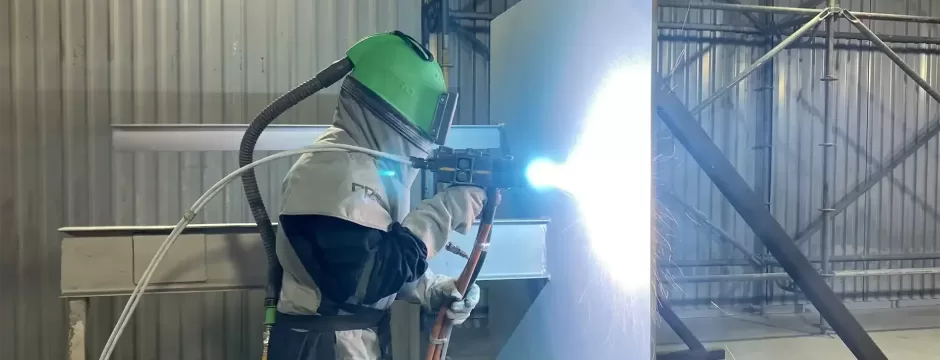
Thermal spray coatings are applied by spraying molten or semi-molten materials—like metals, ceramics, or carbides—onto a surface. When they hit, they bond and create a dense, durable layer that’s often tougher than paint alone.
Why it matters:
Can handle extreme heat and cold without breaking down.
Resists wear from constant abrasion.
Acts as a corrosion barrier for critical structural steel and equipment.
Where This Technology Shines
Coastal industrial facilities: Fighting salt spray and high humidity.
Chemical plants: Protection against aggressive solvents and acids.
High-heat environments: Power plants, refineries, boiler rooms.
Heavy-traffic floors: Forklift lanes, loading docks, manufacturing lines.
Cost vs. Value
Sure, these systems can cost more upfront than traditional paint. But when you factor in the extended service life—often double or triple what you’d get from standard coatings—the return on investment starts to look pretty good. Fewer shutdowns for maintenance, fewer replacements, and better protection of the underlying structure.
Real-World Example
We recently worked with a waste-to-energy plant in Essex County that needed both high-heat resistance and corrosion protection on a set of exhaust stacks. A conventional coating system would’ve needed touch-ups every two to three years. By using a thermal-sprayed aluminum base with a high-temp silicone topcoat, we extended the maintenance cycle to an estimated 10 years—saving them significant labor and shutdown costs.
Bottom Line
If your facility operates in a tough environment, traditional coatings may not be enough. Smart coatings and thermal sprays give you next-level performance—protecting your assets longer and keeping your maintenance budget in check.
Want to see if your facility is a candidate for advanced coating systems?
Contact Alpine Painting & Sandblasting Contractors today. We’ll assess your needs and design a system that stands up to whatever your operation—and Mother Nature—throws at it.