



Pre-Winter Coating Guide: Best Practices for Corrosion Protection in NJ
Posted Oct 13, 2025 by Dave Scaturro
Winter in New Jersey is hard enough on people—icy sidewalks, frozen windshields—but it’s brutal on steel and concrete. Between road salt in the air, freeze–thaw cycles, and constant moisture, unprotected surfaces can go from solid to seriously compromised in just one season.
If you’re running an industrial facility, warehouse, or commercial building, fall isn’t just pumpkin spice season—it’s your last chance to put a strong corrosion protection plan in place before winter beats up your assets.
Why Winter Accelerates Corrosion
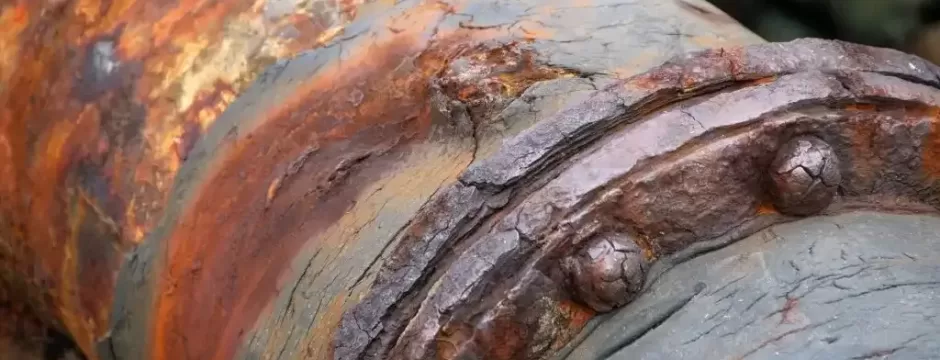
Steel corrodes when oxygen and moisture get together, and winter delivers both in spades. Salt from de-icing roads and coastal spray acts like a turbocharger for the process, breaking down protective coatings and letting rust start its work. Concrete isn’t immune either—salt and water seep into pores, then expand when frozen, causing cracks that just get worse over time.
Coatings That Can Handle NJ Winters
Not all paints are built to fight the same fight. For industrial and commercial structures in New Jersey, we recommend systems that stand up to moisture, abrasion, and salt exposure:
Epoxy Primers: Lock down steel and block moisture penetration.
Polyurethane Topcoats: Resist UV damage and weathering.
Moisture-Cured Urethanes: Perform even in damp application conditions (great for late fall).
Zinc-Rich Coatings: Sacrificial protection for critical structural steel.
The Fall Prep Checklist
If you want your coatings to last through the winter, it’s not just about what you apply—it’s how you prep:
Surface Inspection: Look for blistering, peeling, or rust stains.
Surface Cleaning: Pressure wash or abrasive blast to remove contaminants.
Targeted Repairs: Address problem areas first—don’t wait for full-scale failure.
Timing: Apply coatings in mild, dry conditions (ideally above 50°F, but moisture-cured systems can go lower).
Real-World Example
Last October, we worked on a structural steel frame at a port facility in Bayonne. It was showing early rust, and the client knew winter salt spray would make it worse. We blasted the steel, applied a zinc-rich primer, followed by an epoxy and polyurethane system. A year later, after a rough winter, the steel still looks freshly coated.
Bottom Line
Winter damage is predictable—and preventable. The cost of proactive coating work this fall is nothing compared to replacing corroded steel or repairing cracked concrete in the spring.
Ready to winter-proof your facility?
Contact Alpine Painting & Sandblasting Contractors today. We’ll inspect your structures, recommend the right coating system, and get it applied before the first frost hits.